Latest DePIN Token Launch News
View Token Launch Projects
a year ago
Emerging Crypto Narratives and Blockchain Innovations for 2025
As we look ahead to 2025, the cryptocurrency landscape is poised for significant evolution, particularly with the emergence of blockchains like Solana, SUI, and Bitcoin. Following the FTX crash, many investors have turned their attention back to Solana, which offers a unique advantage over Ethereum by providing faster and cheaper transactions. With only 5% of the global population currently owning cryptocurrency, experts believe we are still in the early stages of this digital revolution. While Bitcoin remains the dominant force in the market, Ethereum's influence is waning, primarily due to its congested layer 2 solutions, which may hinder its performance in the upcoming cycle.
Solana is rapidly gaining traction, boasting impressive statistics such as a transaction speed of 1,500 transactions per second (tps) and surpassing Ethereum and Tron in total economic value locked. The upcoming Firedancer update is expected to enhance its capabilities further, potentially reaching 1 million tps. Additionally, the SUI blockchain is emerging as a strong contender in the decentralized physical infrastructure networks (DePIN) space, offering solutions for the Internet of Things. With a focus on real-time, secure interactions among interconnected devices, SUI is attracting developers and projects like Karrier One and Chirp Wireless, which aim to revolutionize wireless access and decentralized telecom.
The current narratives in the crypto space include real-world assets, AI, GameFi, and meme coins, with a particular emphasis on DePIN. Bitcoin continues to outperform other asset classes, reinforcing its position as a leading investment choice. As the cryptocurrency market evolves, the belief in Web3 remains steadfast, with many anticipating a bullish trend in the near future. For those still exploring the crypto landscape, the message is clear: the opportunity to invest in transformative technologies is ripe, and the time to act is now.
a year ago
MetaMask and Plus Wallet Innovations Drive Crypto Engagement
MetaMask has recently enhanced its functionality through integration with IoTeX, allowing users to perform seamless token transfers across various blockchains. This integration significantly improves interoperability for active traders, enabling over 30 million users to engage across 90 different blockchain environments. However, some users have reported issues with the Snap feature, which can experience sporadic delays, particularly when handling large token volumes. This reliance on multiple network connections may also slow down transactions, leading to frustration among users seeking quicker responses.
In the wake of the recent U.S. election results, XRP has seen a notable rally, with its price climbing to $0.5142, marking a 2.19% increase. This surge is largely attributed to optimism surrounding Trump's potential influence on future crypto regulations, particularly regarding the SEC's stance on Ripple. Trump's promises to dismiss SEC Chair Gary Gensler could ease regulatory pressures, benefiting XRP's market position. However, the dependency on political changes introduces volatility, as ongoing legal actions from the SEC could still pose risks for XRP investors.
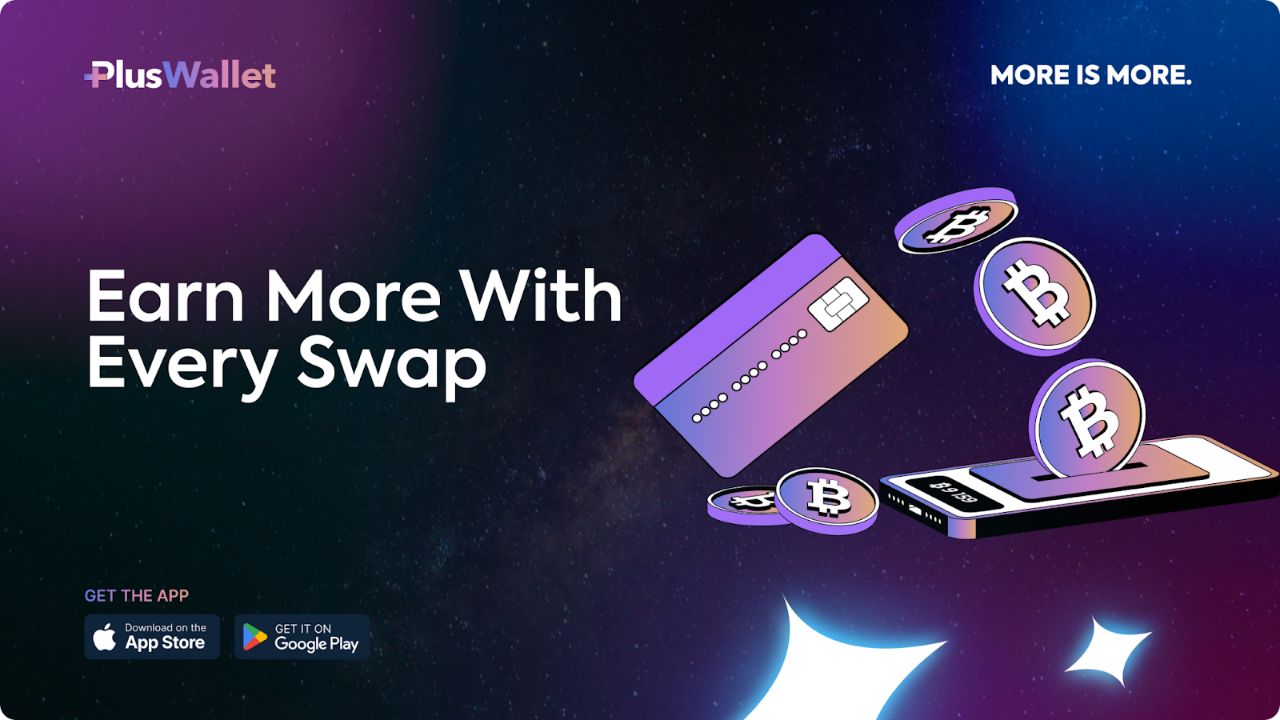
Plus Wallet is making waves in the crypto wallet sector by transforming everyday transactions into earning opportunities. Its innovative features, such as 'Swap to Earn' and 'Refer to Earn', allow users to profit from their trading activities and expand their networks for passive income. This approach not only enhances user engagement but also fosters a supportive community focused on mutual benefits. As crypto enthusiasts increasingly seek wallets that provide rewards alongside basic functionalities, Plus Wallet's commitment to user empowerment positions it as a leading choice in the market.
a year ago
Join the PowerPod Ambassador Program for a Sustainable Energy Future
The PowerPod Ambassador Program is an exciting initiative aimed at promoting a greener, decentralized energy future through the power of Web3 and blockchain technology. As a PowerPod Ambassador, participants will not only represent a product but also become integral members of a community focused on transforming the energy industry. This program offers a unique opportunity to enhance personal branding while engaging with a vibrant community dedicated to sustainable energy and the adoption of blockchain solutions.
Ambassadors will be tasked with spreading the word about PowerPod's mission across various social platforms, including Twitter and Telegram. They will educate their communities on the benefits of decentralized energy and PowerPod's innovative role in the Web3 revolution. Additionally, ambassadors are encouraged to create engaging content, such as tweets, blogs, videos, and graphics, to make complex topics more accessible and exciting for the audience. By participating in discussions related to sustainability and blockchain, ambassadors can make a significant impact within the PowerPod ecosystem.
Participants in the program will enjoy numerous benefits, including exclusive Discord roles that highlight their achievements, networking opportunities with like-minded individuals, and access to resources that support their growth as ambassadors. Furthermore, they will be recognized for their contributions through ambassador spotlights and rewards in the form of $PT tokens. This program not only allows ambassadors to earn tokens but also empowers them to contribute to a meaningful movement towards sustainable, decentralized energy solutions powered by blockchain technology. The PowerPod Ambassador Program is an invitation to make a real difference in the world of energy and sustainability.

a year ago
GRASS Token Faces Selling Pressure Amid Price Decline
On November 8, the price of GRASS, the native token of the Solana-based Decentralized Physical Infrastructure Networks (DePIN) project, reached an all-time high of $3.95. However, following a decline in bullish sentiment and an increase in profit-taking activities, the token's price has since dropped by 27%. As of now, GRASS trades at $2.78, reflecting a 13% decline over the past 24 hours. Analysis of the GRASS/USD 4-hour chart indicates a significant uptick in selling pressure, with the Relative Strength Index (RSI) showing that more traders are selling than buying the token, currently sitting at a downward trend of 44.80.
The RSI is a key indicator that measures an asset's market conditions, with values above 70 indicating overbought conditions and below 30 suggesting oversold conditions. The current RSI reading of 44.80 implies that selling pressure is intensifying, as token holders are increasingly cashing in on their profits. Additionally, the Chaikin Money Flow (CMF), which assesses the flow of money into and out of an asset, is below zero at -0.04, further confirming the bearish outlook. A negative CMF indicates that sellers are dominating the market, adding to the concerns surrounding GRASS's price stability.
Despite the recent price decline, futures traders appear optimistic about a potential rebound. The funding rate for GRASS has remained positive since November 8, currently at 0.025%. This suggests that there is a greater demand for long positions, indicating that traders are still betting on a price recovery. However, if the selling pressure continues, GRASS may break below its current support level of $2.65 and potentially seek support at $2.26. If the bearish trend persists, the price could fall to $1.86. Conversely, a positive shift in market sentiment could see GRASS rally past the resistance at $3.22, aiming to reclaim its previous all-time high of $3.95.

a year ago
Upbit Expands Offerings with 12 New Digital Assets
South Korea's largest cryptocurrency exchange, Upbit, has made a significant move by announcing the listing of 12 new digital assets on its USDT market. This strategic decision includes a diverse array of tokens such as Adventure Gold (AGLD), AhaToken (AHT), ARPA, Astar (ASTR), Bancor (BNT), MultiversX (EGLD), Filecoin (FIL), LumiWave (LWA), NEAR Protocol (NEAR), Orchid (OXT), Radworks (RAD), and Stellar Lumen (XLM). By adding these tokens, Upbit aims to enhance the trading options available to its users, catering to the evolving needs of cryptocurrency investors.
The addition of these new digital assets reflects the growing demand for a wider variety of cryptocurrencies in the market. As investors seek more opportunities and diversification in their portfolios, exchanges like Upbit are responding by expanding their offerings. This trend is indicative of the broader movement within the cryptocurrency ecosystem, where platforms are increasingly recognizing the importance of providing access to a diverse range of tokens to attract and retain users.
Upbit's decision to list these new assets not only enhances its competitive position in the market but also underscores the dynamic nature of the cryptocurrency landscape. As the exchange continues to evolve, it is likely to see increased trading activity and user engagement, further solidifying its status as a leading player in the South Korean cryptocurrency market. The expansion of its offerings is a clear signal of Upbit's commitment to meeting the demands of its user base and adapting to the rapidly changing environment of digital assets.

a year ago
Altcoins Surge: Akash Network, Cronos, and Render Show Promising Growth
The cryptocurrency market is witnessing a significant surge, particularly in altcoins, as the total market cap, excluding Bitcoin and Ethereum, has surpassed $750 billion. Among the standout performers are Akash Network, Cronos, and Render, each showing promising price movements and potential buying opportunities. Investors are keenly observing these tokens as they navigate through their respective bullish trends, indicating a robust interest in altcoin investments.
Starting with Akash Network (AKT), the token has demonstrated a strong breakout from a falling channel, currently trading at $3.30 after a notable 12.11% intraday gain. This rally has propelled AKT to a 52% increase over the past week, surpassing the 38.20% Fibonacci retracement level. Analysts suggest that the price could extend towards the psychological mark of $5, with a long-term target at $12, indicating a potential upside of over 250%. This positions Akash Network as a compelling option for investors looking for growth.
Cronos (CRO) has also made headlines with a remarkable 60% price increase in just two days, following a 72% recovery last week. Currently priced at $0.1195, it is nearing the critical psychological level of $0.20. The token is challenging the 23.60% Fibonacci level at $0.2152, with expectations of a bullish breakout that could push the price to $0.40, representing an upside potential of more than 100%. Meanwhile, Render (RNDR) is trading at $7.33, having surpassed the $7 mark with a 75% price jump. Analysts predict that it could reach new highs above $13.27, showcasing an upside potential of over 80%. These developments highlight the dynamic nature of the altcoin market and the opportunities it presents for investors.
a year ago
Karrier One Advances Global Connectivity with Strategic Blockchain Initiatives
Karrier One, a prominent player in telecommunications, is enhancing global connectivity through three key initiatives: the integration of SCION services, the establishment of a validator node on the Sui network, and the adoption of the Walrus decentralized storage protocol. With operations spanning Canada, the USA, Europe, and Africa, and plans for expansion into Asia, Karrier One is positioning itself at the forefront of innovation in the telecommunications sector.
The integration of SCION (Scalability, Control, and Isolation On Next-Generation Networks) services aims to bolster the security and performance of Karrier One's global infrastructure. This cutting-edge technology enhances network control, providing robust protection against cyber threats and ensuring reliable connectivity. Adrian Perrig, a key figure behind SCION, emphasized that this deployment establishes Karrier One as a leader in the Web3 communication space, addressing the pressing need for reliable network solutions in the ecosystem.
In addition to SCION, Karrier One's establishment of a validator node on the Sui network signifies a deeper commitment to decentralized technology. This move will not only enhance security across both networks but also enable Karrier One to earn staking rewards, further advancing its protocol. The adoption of the Walrus Decentralized Storage Protocol aligns with Karrier One's vision for improved data security and accessibility, allowing users greater control over their information while reducing reliance on centralized data centers. Through these initiatives, Karrier One is poised to revolutionize global telecommunications, creating a secure and decentralized network that empowers users worldwide.
a year ago
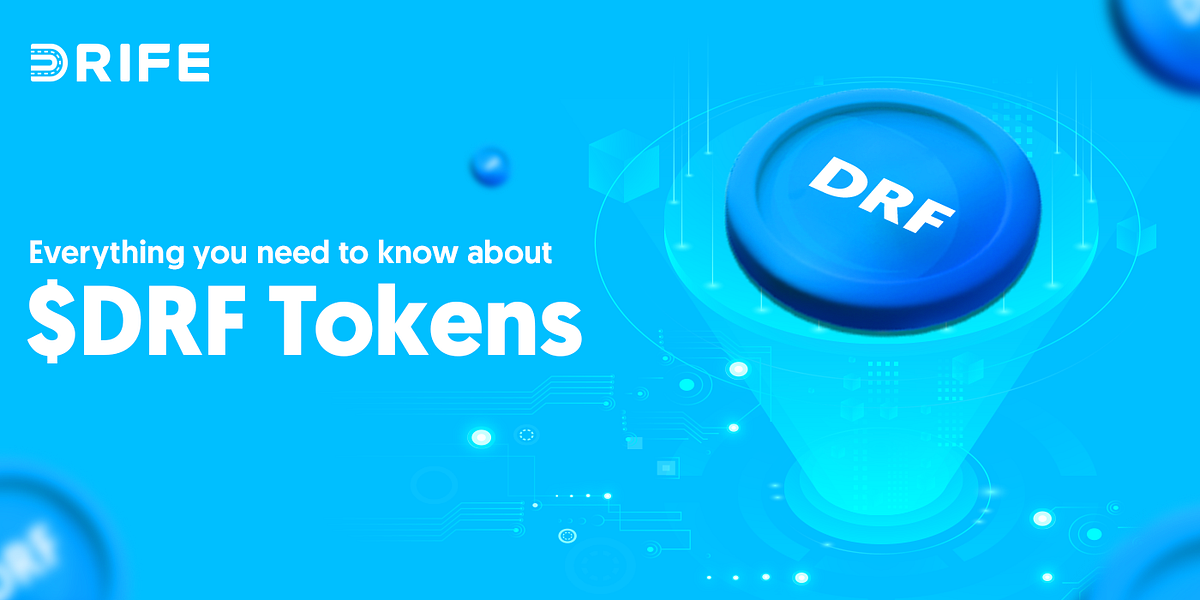
DRIFE Set to Launch $DRF Token: A New Era in Decentralized Ride-Hailing
On November 14th, DRIFE will officially launch its highly anticipated $DRF token, marking a significant milestone in the decentralized ride-hailing sector. This launch is not just another addition to the crypto landscape; it is set to revolutionize the DePIN (Decentralized Physical Infrastructure Networks) space by providing a decentralized alternative to traditional ride-hailing services. The $DRF token aims to empower riders and drivers alike, ensuring fair pricing, transparent governance, and greater autonomy. This initiative is designed to benefit the entire ecosystem, allowing drivers to have more control over their earnings and riders to avoid surge pricing.
The $DRF token will have a total supply of 1 billion tokens, with 38 million available at launch, representing 3.8% of the total supply. The token allocation is strategically designed to foster sustainable growth, with 10% allocated to the team and advisors, 44% to the treasury, 9% for liquidity, and 15% for early contributors. To maintain stability, a vesting schedule is in place, ensuring that team tokens are vested over 12 months with a 6-month cliff, while ecosystem and rewards tokens will be gradually unlocked over three years. This structure aligns the interests of the project, community, and team, promoting long-term commitment and stability.
The $DRF token will serve multiple purposes within the DRIFE ecosystem, including facilitating decentralized payments, enabling governance participation, and powering a referral system. Users can earn tokens through various activities, such as staking, sharing content, and engaging in community-building efforts. As DRIFE prepares for its launch, the project is poised to become a leader in decentralized mobility, transforming the ride-hailing industry into a more efficient and community-driven model. With the launch just around the corner, the excitement is building, and the community is encouraged to participate and take advantage of the opportunities that $DRF presents.
a year ago
Solana Rivals Ethereum as Economic Metrics Surge in 2024
The Solana network is making significant strides in closing the gap with Ethereum, as highlighted by a bullish report from hedge fund Syncracy Capital. According to the report published on November 12, 2024, Solana's real economic value (REV) reached 111% of Ethereum's REV in October 2024, a dramatic increase from just 1% a year prior. This metric, which encompasses transaction fees and maximal extractable value (MEV) tips paid to validators, indicates a robust economic activity on the Solana network. Additionally, Solana's total application revenue (TAR) was reported at 109% of Ethereum's, showcasing its growing popularity and the increasing fees paid to protocols and applications built on the blockchain.
The surge in Solana's economic activity can be largely attributed to the recent memecoin mania, which has seen several new memecoins gain traction within the ecosystem. Notable examples include Goatseus Maximus (GOAT), which achieved a market cap of $400 million in just one week, alongside other significant performers like SPX6900, Apu Apustaja, and FWOG. This influx of interest has resulted in heightened network volumes, fees, and total value locked (TVL), with Solana's TVL reaching a two-year high of over 42 million SOL, while Ethereum's TVL remained stagnant at 17.7 million ETH.
Despite the excitement surrounding Solana's memecoin activity, there are concerns regarding its long-term sustainability. Syncracy Capital views this speculative trend as a necessary stress test for the network's reliability, drawing parallels to the early days of DeFi on Ethereum in 2020. Solana has faced challenges with outages since its inception, including a notable five-hour service interruption in February 2024. The network is also attracting decentralized infrastructure protocols, with four unicorns in the DePIN sector. Looking ahead, the Solana Foundation plans to release the full version of the Firedancer upgrade in 2025 to support its growing activity and infrastructure demands.
a year ago
Crypto Strategist Bullish on Filecoin and Notcoin for Major Upside Potential
A prominent crypto strategist, Ali Martinez, has recently expressed a bullish outlook on two lesser-known altcoins that he believes are on the verge of significant price increases. The first altcoin he highlights is Filecoin (FIL), which serves as the native asset for a decentralized file storage network. Martinez notes that FIL has been respecting its long-term support level, positioning it for a potential rally. He suggests that if FIL can break through a critical resistance level, it could soar to $30, representing a staggering 700% increase from its current price of $4.32, which has already seen a 7% rise in the past day.
In addition to Filecoin, Martinez is also optimistic about the community token NOT, associated with the Telegram-based tap-to-earn mining game Notcoin. He points out that NOT has recently broken out of a falling wedge pattern, a bullish reversal signal. With this breakout, he projects that NOT's price could increase by 76%, reaching $0.012 from its current value of $0.0076. This positive sentiment around NOT indicates a growing interest in gaming-related cryptocurrencies, which have been gaining traction in the market.
Martinez's analysis provides insight into the potential upside for these altcoins, but he also emphasizes the importance of conducting thorough research before making any investment decisions. As the cryptocurrency market remains highly volatile, investors are reminded to exercise caution and consider the risks involved in trading digital assets. With both Filecoin and Notcoin showing promising signs, they may be worth watching for traders looking to capitalize on emerging opportunities in the crypto space.
Signup for latest DePIN news and updates