Navigating the Challenges of DePIN: Insights from DIMO and CyberCharge
Monday, May 19, 2025 12:00 AM
10,478
Navigating the Challenges of DePIN: Insights from DIMO and CyberCharge cover

As decentralized physical infrastructure networks (DePIN) continue to develop, a significant issue has emerged: while the networks are built, the actual user engagement remains low. Many DePIN projects have seen a surge in node numbers due to incentivization, yet the demand for services has not kept pace, leading to resource idleness and limited network activity. This is particularly concerning as many projects target specialized use cases that require technical expertise or specific conditions, effectively excluding a large portion of potential users. This mismatch between supply and demand complicates the incentive structures, making it difficult to stabilize token values and risking a decline in participation.

DIMO stands out as a notable project within the DePIN sector, focusing on automotive data networks. The initiative encourages car owners to install hardware that collects operational data from their vehicles, which is then uploaded to a decentralized network. In exchange, participants earn DIMO tokens, promoting the idea of “data as an asset.” However, the project faces challenges such as high entry costs for hardware and a limited user base, primarily consisting of tech-savvy individuals. While DIMO has made strides in accumulating valuable driving data and forming partnerships, it must overcome barriers to participation and broaden its appeal to reshape the automotive data landscape.

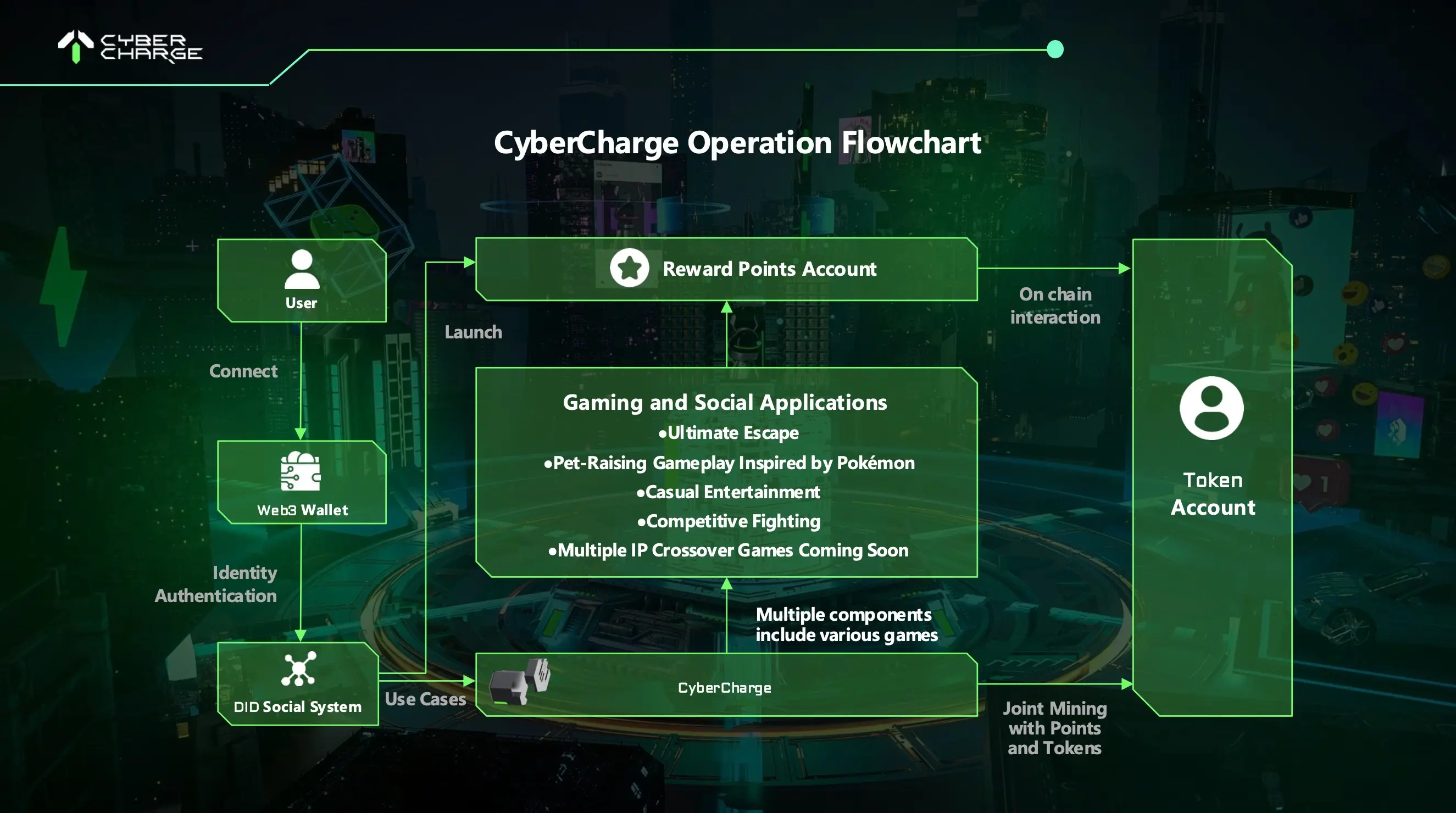
In contrast, CyberCharge presents a fresh approach to DePIN by lowering participation thresholds and enhancing user engagement. Unlike DIMO, which requires specific hardware purchases, CyberCharge utilizes a smart charger that is more accessible and serves a practical purpose. This model encourages broader participation, as anyone with a mobile device can join. Additionally, CyberCharge fosters community engagement through interactive features, creating a more vibrant ecosystem. While still in its early stages, CyberCharge’s innovative approach could redefine user interaction in the DePIN space, highlighting the potential for a new generation of projects to address existing challenges and engage a wider audience.

Buy Now at

Related News

DePIN Day 2023: A Global Gathering for Decentralized Physical Infrastructure cover
a day ago
DePIN Day 2023: A Global Gathering for Decentralized Physical Infrastructure
On December 10, Abu Dhabi will host the 14th edition of DePIN Day, marking it as the global epicenter for decentralized physical infrastructure. This event coincides with Solana Breakpoint, an annual gathering that showcases one of the most vibrant ecosystems in Web3. The increasing prominence of DePIN Day signifies a pivotal moment in the industry, where founders, operators, and investors are eager to collaborate and innovate in real-world networks. As Solana solidifies its role as a hub for DePIN, Abu Dhabi emerges as the ideal venue for the convergence of physical infrastructure builders and the Solana community. Organized by Fluence and supported by Impossible Cloud Network, this edition of DePIN Day will highlight the transition of decentralized computing, storage, wireless connectivity, and sensor networks from theoretical concepts to tangible infrastructure. The program features notable speakers from the ecosystem, including Tom Trowbridge from Fluence and Raj Karan from io.net, who will share their insights on the intersection of hardware and cryptoeconomics. The event aims to foster high-quality discussions and share practical experiences from teams actively deploying these technologies, emphasizing the capital formation necessary for scaling real-world networks globally. DePIN Day has established itself as a premier conference series dedicated to Decentralized Physical Infrastructure Networks, uniting key players from various sectors, including wireless, energy, and storage. With over 13 editions held globally, it serves as a vital meeting point for builders, VCs, and protocol teams shaping the future of infrastructure. Supported by over 150 ecosystem partners and amplified by media outlets like CoinDesk and The Block, DePIN Day continues to be a cornerstone of the DePIN movement, driving innovation and collaboration in the industry.
Filecoin Launches Onchain Cloud Platform in Buenos Aires cover
2 days ago
Filecoin Launches Onchain Cloud Platform in Buenos Aires
Filecoin (FIL) has recently launched its Onchain Cloud platform in Buenos Aires, marking a significant advancement in the realm of decentralized cloud infrastructure. This launch is a crucial step towards enhancing Filecoin’s decentralized storage capabilities, transforming them into a fully verifiable and programmable cloud service. The unveiling occurred during DePIN Day 2025, an event organized by the Filecoin Foundation and FilOz, which attracted nearly 300 attendees and generated substantial interest, with the launch video receiving 430,000 impressions. This highlights the growing significance of decentralized technology in today's digital landscape. The Filecoin Onchain Cloud platform integrates essential cloud functions such as storage, retrieval, and payments directly on the blockchain. Built on the world's largest decentralized storage network, it aims to provide programmable, verifiable, and ownable services. Prior to the launch, the FIL Dev Summit 7 served as a collaborative space for builders, researchers, and ecosystem leaders to discuss the future of the network. The summit featured discussions on the new composable onchain services, including Filecoin Beam and Filecoin Pay, and explored improvements to support diverse use cases, particularly in AI integration and web payment standards. In addition to the launch and summit, the Code N’ Corgi event allowed builders to engage hands-on with the latest tools from the Filecoin Onchain Cloud. Participants were able to explore live demos and interact with engineers, deepening their understanding of the platform's capabilities. Looking forward, Filecoin is committed to scaling its initiatives within the Web3 landscape, focusing on developer onboarding and enhancing community participation. The network's strategic alignment of economic, funding, and governance efforts aims to ensure that advancements benefit the entire ecosystem as it moves into 2026 and beyond.
DePIN: Revolutionizing Cryptocurrency Infrastructure with Decentralized Networks cover
9 days ago
DePIN: Revolutionizing Cryptocurrency Infrastructure with Decentralized Networks
In the evolving landscape of cryptocurrency, DePIN (Decentralized Physical Infrastructure Network) emerges as a groundbreaking concept that aims to connect physical hardware devices through decentralized networks. By integrating cryptocurrency rewards, DePIN incentivizes network participants, allowing devices to operate autonomously for various purposes, such as GPU computing and global bandwidth infrastructure. This innovative approach combines blockchain and IoT technologies, positioning DePIN as a pivotal bridge between the digital and physical realms, thereby enhancing the status of cryptocurrencies as essential resources in the tech ecosystem. The core philosophy of DePIN revolves around democratizing technology to rival centralized solutions. Participants who contribute hardware to the network can earn cryptocurrency rewards, fostering a collaborative environment. Helium, a pioneer in this domain, launched a decentralized wireless network in 2019, inspiring subsequent projects to develop infrastructure solutions for 5G networks and environmental monitoring. IO.NET is a notable example, designed as a decentralized GPU network that connects providers of computing power with users, optimizing costs and accessibility compared to traditional cloud services. This model addresses the rising demand for AI processing, capitalizing on the vast pool of unused GPU resources globally. IO.NET's offerings, including the IO Worker product, emphasize user-friendly interfaces and real-time monitoring capabilities for connected devices. Additionally, the introduction of the IO.NET GPU worker NFT allows users to own a share of physical GPU devices, simplifying participation in the DePIN ecosystem. This innovative approach, termed "DePIN as a Service," aims to lower entry barriers for users, fostering greater engagement in the DePIN landscape. As the market for decentralized infrastructure continues to grow, projects like IO.NET are positioned to play a crucial role in shaping the future of cryptocurrency and AI applications.
DePIN Tokens Gain Traction as Safer Investment in Cryptocurrency cover
11 days ago
DePIN Tokens Gain Traction as Safer Investment in Cryptocurrency
In the ever-evolving landscape of cryptocurrency, meme coins have captured the attention of many investors, often leading to high-risk scenarios. While the allure of turning a modest investment into a substantial return exists, the reality is that many investors face the risk of losing their entire stake. A more stable investment avenue is emerging in the form of DePIN (Decentralized Physical Infrastructure Network) tokens, which have recently gained traction. As of November 25, the total market capitalization of DePIN tokens surpassed $12.4 billion, reflecting a growth of nearly 3% in just 24 hours. Notable projects in this sector, such as Render and The Graph, have rewarded early investors handsomely, showcasing the potential of this innovative approach to decentralized infrastructure. DePIN tokens, such as Helium and Grass, are at the forefront of this movement, powering decentralized networks that facilitate contributions from individuals and communities in exchange for cryptocurrency rewards. Helium, for instance, operates as a decentralized wireless network, allowing users to share radio coverage through rented hotspots, earning HNT tokens in return. The platform has seen remarkable growth, boasting over 2 million daily active users, a feat unmatched by any other blockchain. Meanwhile, Grass, which launched in 2023, is developing a decentralized internet bandwidth sharing platform, rewarding users with GRASS tokens for contributing their unused bandwidth. The recent anticipation surrounding Grass's Season 2 airdrop has further fueled interest in the project, with GRASS tokens experiencing a significant price increase. As the DePIN sector continues to flourish, investors are also keeping an eye on emerging projects like PepeNode, which is creating a mine-to-earn platform for virtual server operators to compete in mining popular meme coins. With over $2.1 million raised so far, PepeNode offers a deflationary token model and attractive staking rewards. As the cryptocurrency market evolves, the focus on DePIN tokens and innovative projects like PepeNode may provide a more sustainable path for investors looking to navigate the volatile crypto landscape.
Aethir: Leading the Charge in Decentralized GPU Cloud Infrastructure cover
11 days ago
Aethir: Leading the Charge in Decentralized GPU Cloud Infrastructure
Aethir has emerged as a prominent player in the decentralized GPU cloud infrastructure sector, catering to the surging demand for enterprise-grade computing power across AI, gaming, and Web3 applications. As traditional centralized cloud systems face limitations in capacity and efficiency, Aethir has positioned itself as a leader by leveraging a decentralized Physical Infrastructure Network (DePIN) model. The company has successfully deployed over 435,000 enterprise-grade GPU containers globally, utilizing cutting-edge NVIDIA hardware and delivering over 1.4 billion hours of computing services. In Q3 2025, Aethir reported revenues of $39.8 million, marking a significant milestone in its Annual Recurring Revenue (ARR), which surpassed $147 million, driven by the needs of AI inference services and large-scale model training. Aethir's infrastructure has been integrated into the core systems of various innovative AI companies, showcasing its versatility and effectiveness. For instance, Kluster.ai has utilized Aethir's computing network to drastically reduce the patient selection process for clinical trials, enhancing the viability of medical AI. Similarly, Attentions.ai has developed custom large-scale models through Aethir, facilitating the application of no-code AI platforms in traditional sectors. In the gaming industry, Aethir's capabilities have been validated through significant improvements in user engagement metrics, with companies like SuperScale and Reality+ reporting substantial increases in conversion rates and user preferences for products based on Aethir's cloud gaming architecture. In a strategic move, Aethir completed a $344 million ATH token investment and launched the Aethir Digital Asset Treasury (DAT), which aims to integrate decentralized compute assets with traditional capital markets. This initiative has positioned Aethir as a pioneer in the DePIN field, gaining recognition from institutional investors. With a focus on performance, stability, and cost-effectiveness, Aethir's decentralized GPU network is set to redefine enterprise computing, offering near-bare-metal performance and enhanced resource utilization. As the DePIN market is projected to grow significantly, Aethir's real enterprise revenue capabilities and scalable delivery systems may establish a long-term competitive advantage in this evolving landscape.
SEC Grants No-Action Letter to Fuse Energy; Rekt Brands Partners with FaZe Clan cover
11 days ago
SEC Grants No-Action Letter to Fuse Energy; Rekt Brands Partners with FaZe Clan
The U.S. Securities and Exchange Commission (SEC) has issued a no-action letter to Fuse Crypto Limited, the developer behind Fuse Energy, a decentralized physical infrastructure network (DePIN) project built on the Solana blockchain. This letter provides essential regulatory clarity, confirming that the project's native FUSE token, also known as the ENERGY token, does not require registration as a security under U.S. securities laws, provided it is offered and sold according to the specifications outlined in Fuse's application. Fuse Energy incentivizes users to engage with a decentralized energy grid through its mobile app, allowing users to earn FUSE tokens by performing tasks such as reducing energy consumption during peak hours and generating solar power. The SEC's decision marks a significant shift towards a more crypto-friendly regulatory environment under the leadership of new Chairman Paul Atkins and Commissioner Hester Peirce. Legal experts highlight that no-action letters serve as a form of regulatory cover, assuring projects that they will not face immediate enforcement actions for potential securities violations. The DePIN sector, valued at over $24 billion, views this as a potential blueprint for utility tokens linked to real-world actions, with Fuse's token design focusing on consumptive use rather than speculation. This approach aligns with SEC expectations and could enhance the adoption of green energy initiatives. In another development, Rekt Brands Inc., the company behind the crypto-native beverage Rekt Drinks and its $REKT token, has announced a $2 million partnership with GameSquare Holdings, the parent company of esports giant FaZe Clan. This partnership will prominently feature Rekt branding on FaZe Clan's esports jerseys, marking a strategic entry into gaming culture. GameSquare will utilize its extensive media network to promote Rekt Drinks and the $REKT token, further integrating gaming with crypto. This collaboration aims to enhance Rekt's visibility in the esports domain, potentially increasing engagement with younger audiences. CEO Ovie Faruq emphasized the partnership's goal of expanding Rekt's community-driven movement globally through gaming connections.
Signup for latest DePIN news and updates